Carl Linnaeus: The Architect of Order in Nature
Back to all places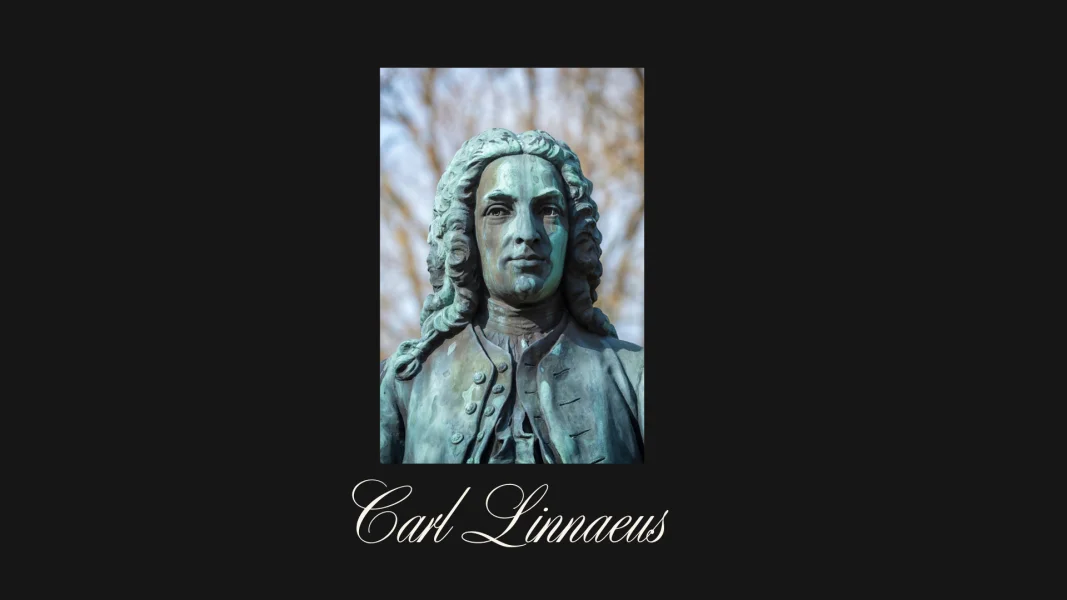
Imagine a world where every living thing had a different name in every region, creating confusion and chaos for scientists and explorers alike. This was the reality before Carl Linnaeus, a Swedish botanist born in 1707, revolutionized the way we classify life. Known as the "Father of Taxonomy," Linnaeus introduced a system that brought clarity and structure to the natural world.
In 1758, Linnaeus formalized the concept of binomial nomenclature, a method of naming species using two Latin words: the genus and the species. For example, humans are classified as Homo sapiens. The genus (Homo) represents a broader group, while the species (sapiens) identifies the specific organism within that group. This system became the universal standard for naming plants, animals, and other organisms.
Linnaeus also established the hierarchical structure of classification, including categories like family, order, class, and kingdom. A family groups related genera, while a species is the most specific level, representing individual organisms that can interbreed. The term author in taxonomy refers to the scientist who first described and named a species, often indicated by their name following the species name (e.g., Linnaeus for many species he classified).
Through his monumental work Systema Naturae, Linnaeus laid the foundation for modern biology, enabling scientists to communicate and collaborate across borders. His legacy lives on in every scientific name we use today, a testament to his vision of bringing order to the diversity of life.
42.58090, 18.21764