Giant Clams
Back to all places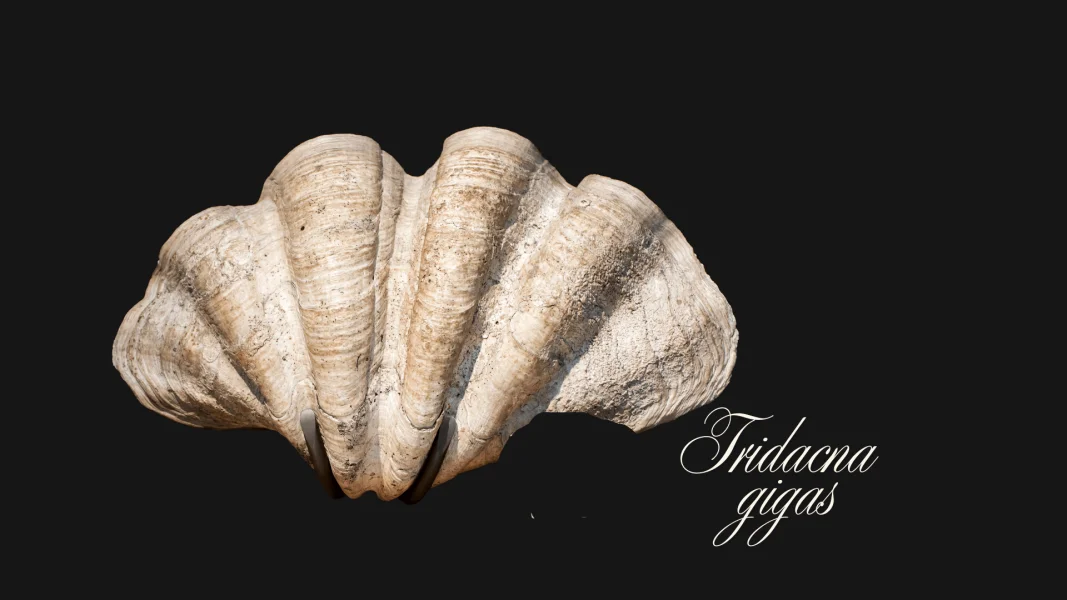
Peering into a tropical lagoon, you spot what looks like an iridescent blue-green cushion nestled among corals. Then you realize it’s alive – a giant clam, its fleshy mantle glowing with neon colors, dotted by tiny blue “eyes.” The Giant Clam is the largest bivalve mollusk on Earth, reaching over 1.3 meters (4 feet) across and weighing up to 200 kg in extreme cases
Once feared in sailor’s lore as the “man-eating clam,” in truth this gentle giant cannot snap shut quickly and has never been known to harm a human swimmer
Instead, it lies open, basking in the sunlight. Inside its mantle live millions of symbiotic algae (zooxanthellae), which photosynthesize sunlight and share nutrients with the clam, giving it both its brilliant colors and a food source
This partnership allows giant clams to grow so huge in nutrient-poor reef waters – they are solar-powered giants.
For Pacific Island cultures, giant clams have long been sources of sustenance and wonder. In Palauan creation mythology, a giant clam is credited with the birth of the first humans – a clam grew enormous and gave rise to a woman who became the mother of mankind.
When Europeans first encountered giant clams, they shipped the shells back as marvels. By the 1700s, pairs of giant clam shells were being installed in churches as holy water fonts.
Ecologically, giant clams are engineers of the reef. By filter-feeding and housing algae, they help recycle nutrients and create micro-habitats. Fish and crabs often linger around their mantle, picking at the algae and detritus the clam generates. Their shells, when they die, become substrate for corals to grow on. A single giant clam can filter hundreds of liters of water a day, improving water clarity. They are, quite literally, living reefs within the reef.
However, these giants have been under grave threat. Over centuries, their sweet, chewy flesh (often eaten raw or in stews) and impressive shells made them a target. In some areas, overharvesting decimated populations. By the late 20th century, Tridacna gigas had disappeared from many reefs in Southeast Asia and the Pacific.
42.58240, 18.22067